10 / decide
Choosing the right glazing for your home
There is no single “best” glazing — only the right glazing for a particular home, room and budget. This is the framework the experts use to decide, so you can too.
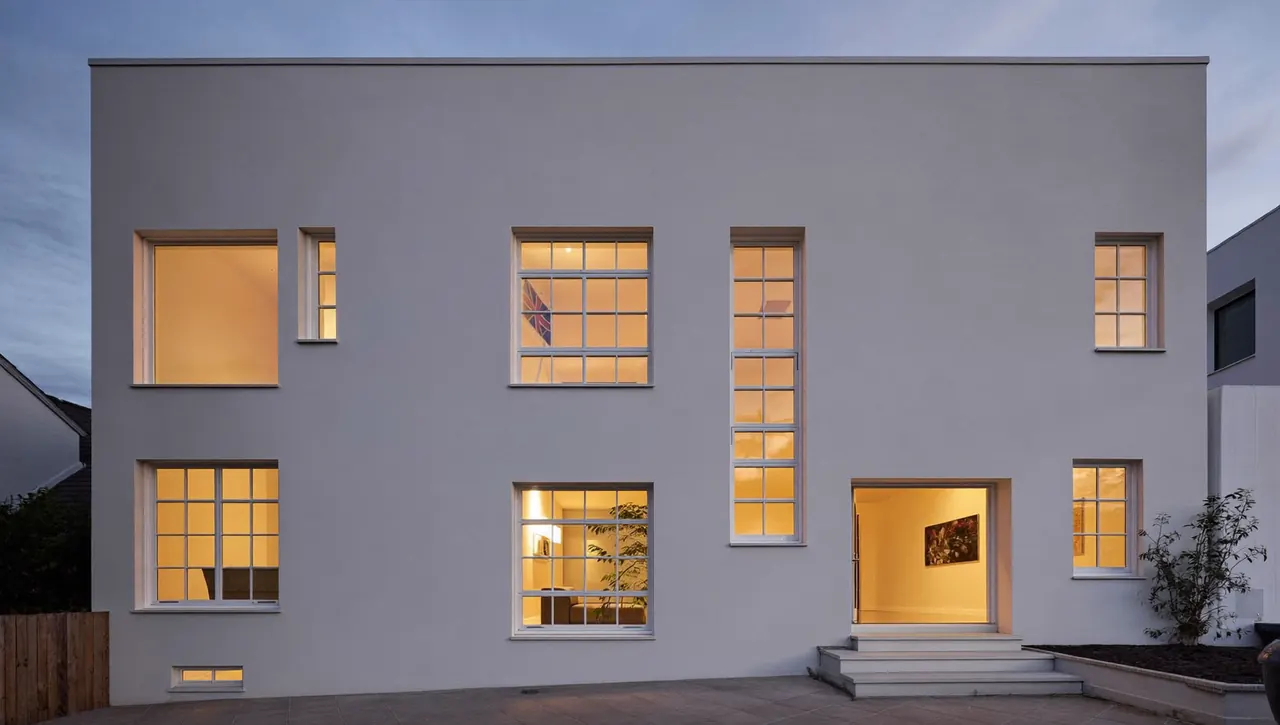
Start with the problem you are solving
The single most useful question is: what is wrong with your windows now? A cold, draughty room points towards better thermal performance; a noisy road points towards acoustic measures; a period property under conservation control points towards a sympathetic solution. Glazing choices flow naturally once you name the problem. If your existing windows are single-glazed or have failed misted units, almost any modern replacement will feel transformative — the Energy Saving Trust notes the biggest gains come from that first step away from single glazing. Our guide to the types of glazing maps the options at a glance.
Match the type to the home
For most UK homes, well-specified double glazing is the sensible default: it meets building regulations, keeps a home warm and quiet, and offers the best balance of cost and performance. Consider triple glazing for cold, exposed or north-facing rooms and for low-energy retrofits, where the extra pane earns its keep. Choose secondary glazing for listed buildings, conservation areas and serious noise problems, where keeping the original window is essential. Many homes end up with a mix — and that is fine.
Ready to match glazing to your home? Compare free, no-obligation quotes from vetted local installers.
Ask the glazing experts →Then specify the glass inside
Once the type is settled, the glass and the unit build decide real-world performance. Insist on a good Low-E coating, an argon fill and a warm-edge spacer as your baseline. Add laminated or toughened safety glass where building regulations or security require it, and acoustic glass if noise is the issue. These are the invisible specifications that separate two windows that look identical but perform worlds apart.
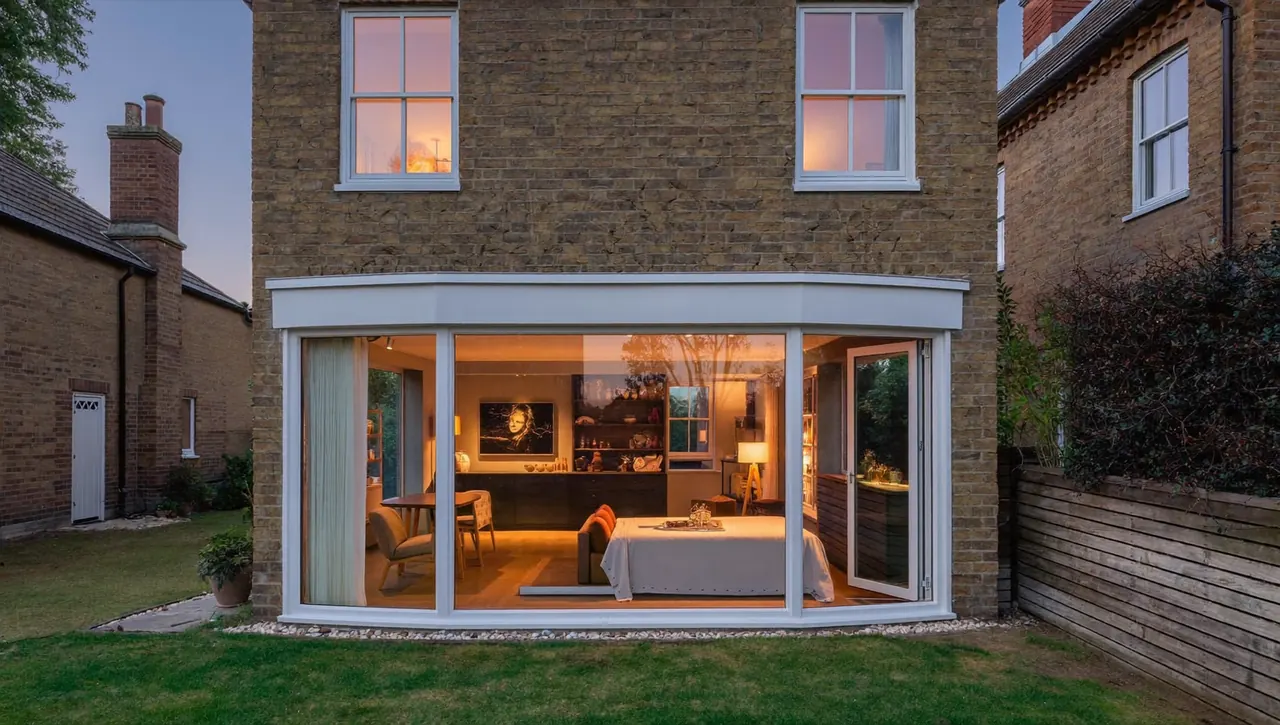
Weigh cost against how long you will stay
Budget is a legitimate part of the decision, not an afterthought. If you plan to stay for many years, spending a little more on a lower U-value and better glass usually pays back in comfort and running costs. If you are improving to sell, meeting the standard well and looking tidy may matter more than chasing the last fraction of a U-value. Either way, ask for the whole-window U-value and an insurance-backed guarantee, and compare a few quotes rather than accepting the first. If the up-front figure is the obstacle, there are options for spreading the cost of home windows and other ways to fund windows and doors, subject to eligibility and a home survey.
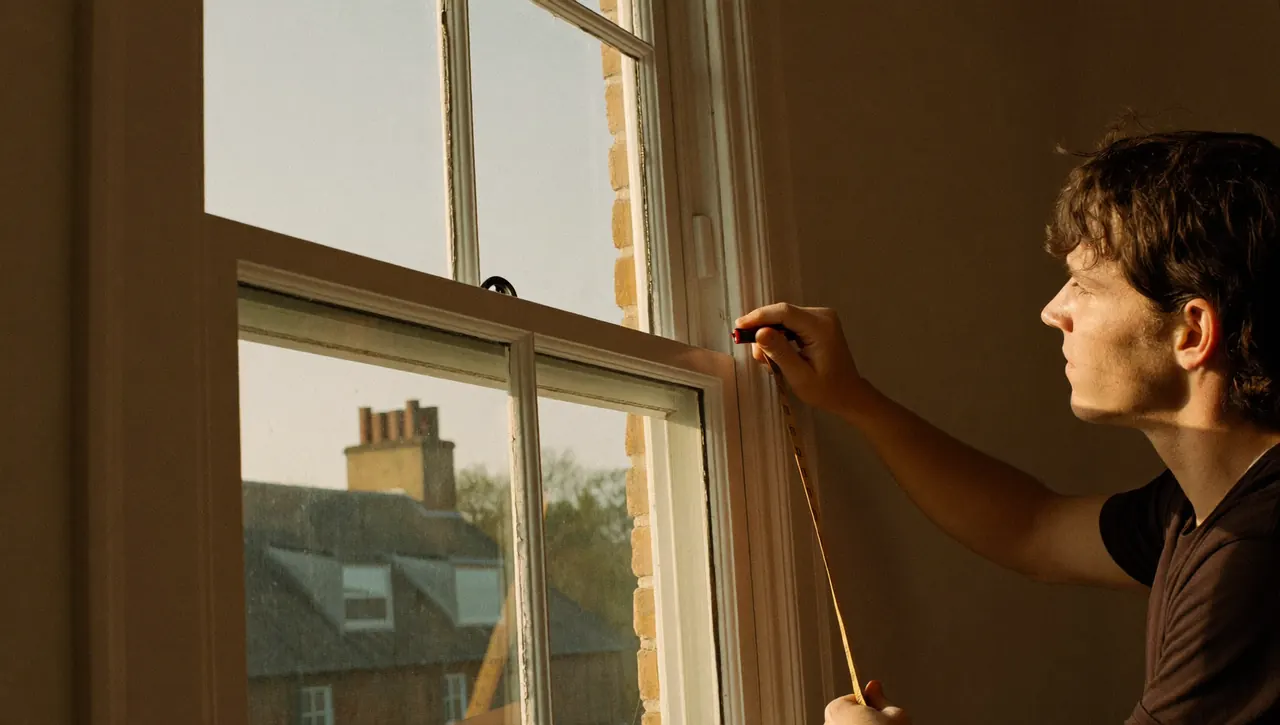
Compare installers, not just prices
The quality of the fit matters as much as the product. Look for installers registered with FENSA or CERTASS so the work is self-certified against building regulations, check that guarantees are insurance-backed, and confirm any deposit is protected. Get more than one quote and compare them on glass specification, U-value and guarantee, not headline price alone. Knowing the common mistakes to avoid before you commit is the best defence against a quote that has been trimmed where you cannot see it. When you are ready, comparing vetted local installers side by side is the surest route to the right glazing at a fair price.
Get matched with accredited local installers and compare quotes with no obligation.
Get my quotes →