03 / triple glazing
Triple glazing explained
A third pane lowers heat loss further still — but it is not automatically the right upgrade for every window. Here is where triple glazing genuinely pays off, and where double glazing is the smarter spend.
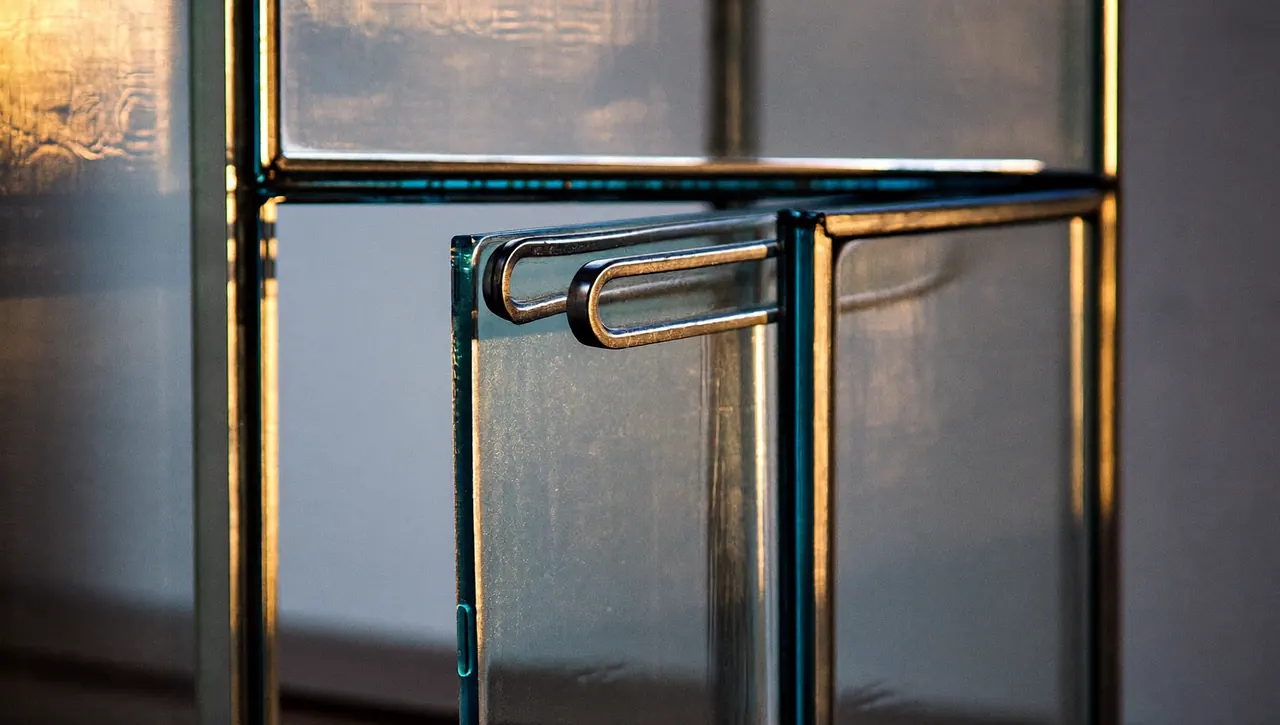
How triple glazing differs from double
Triple glazing takes the same principle as double glazing and adds a third pane, creating two sealed cavities instead of one. Both cavities are typically filled with argon and use Low-E coatings, so the unit resists heat loss on two fronts rather than one. The result is a lower U-value: where a good double-glazed window sits around 1.2 to 1.4 W/m²K, a well-built triple-glazed unit can reach 0.8 or below. Just as important, the inner pane stays warmer to the touch, which reduces the cold-radiant feeling near large windows and cuts the risk of condensation forming on the room-side glass.
The homes where it pays off
Triple glazing earns its keep in specific situations rather than universally. It makes the most sense in new-builds and deep retrofits designed to a low-energy or Passivhaus standard, where the whole fabric is airtight and the windows need to match. It is also worth serious consideration for exposed rural properties, north-facing rooms that never feel warm, and homes where large expanses of glass create a noticeable chill. In a well-insulated house that already has good double glazing, the marginal saving from a third pane can be modest, so it is wise to compare the triple glazing benefits and cost versus double before deciding.
Weighing triple against double? Compare free, no-obligation quotes from vetted local installers.
Ask the glazing experts →The trade-offs to weigh
The extra pane adds cost — both for the unit and, in some cases, for heavier-duty frames and hinges to carry the additional weight. Triple-glazed units are thicker, so they are not always a straight swap into an existing frame designed for double glazing. There is also the question of solar gain: in a south-facing room, a lower-transmission triple unit can slightly reduce the free warmth you get from winter sun. None of these are dealbreakers, but they explain why triple glazing is a considered choice rather than an automatic upgrade.
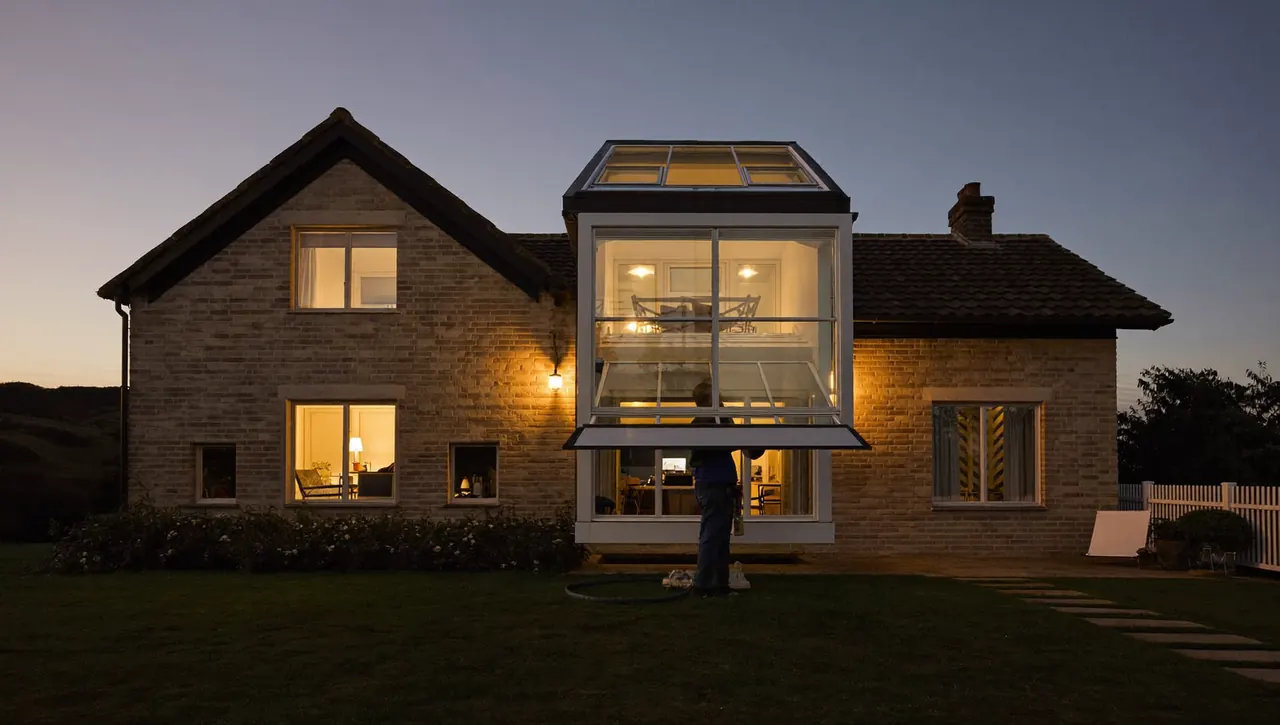
Does the saving justify the cost?
Because triple glazing tends to add a premium over double, the payback depends heavily on how much heat your home is currently losing. The Energy Saving Trust notes that the biggest efficiency gains usually come from moving away from single glazing or failing units in the first place; the step from good double to triple is smaller. If your windows are already efficient, the money may be better spent elsewhere in the fabric. If they are not, and the room is cold and exposed, triple glazing can transform how it feels. Reading up on the common buyer mistakes to avoid before you commit helps you judge the quotes you receive.
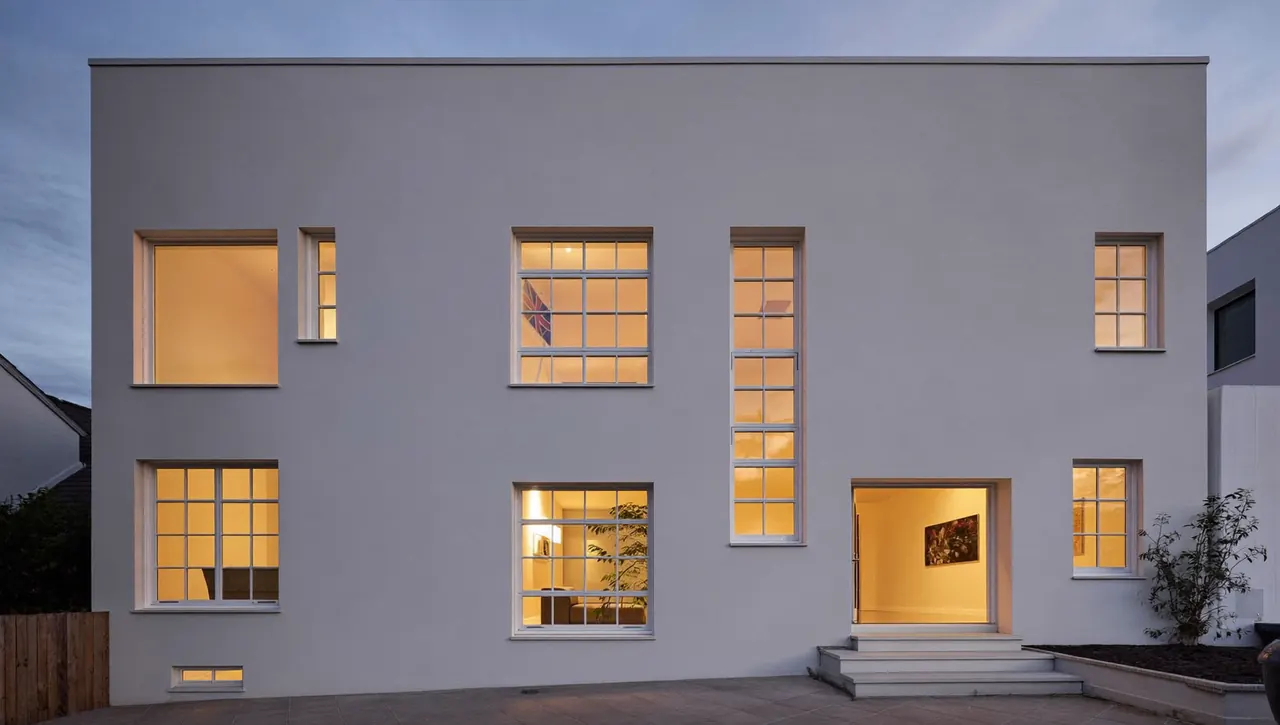
Getting the specification right
If you decide triple glazing is right for a room, focus on the same details that make any unit good: quality Low-E coatings, argon fills in both cavities and warm-edge spacer bars to keep the edges warm. Ask for the whole-window U-value, not just the centre-pane figure. And if the up-front outlay is the obstacle, there are ways to fund windows and doors, subject to eligibility and a home survey.
Get matched with accredited local installers and compare triple glazing quotes with no obligation.
Get my quotes →