01 / glazing types
Types of glazing explained
Double, triple and secondary glazing all keep a home warmer and quieter — but they solve different problems and suit different houses. This is the map: what each type is, how it performs and where it earns its place.
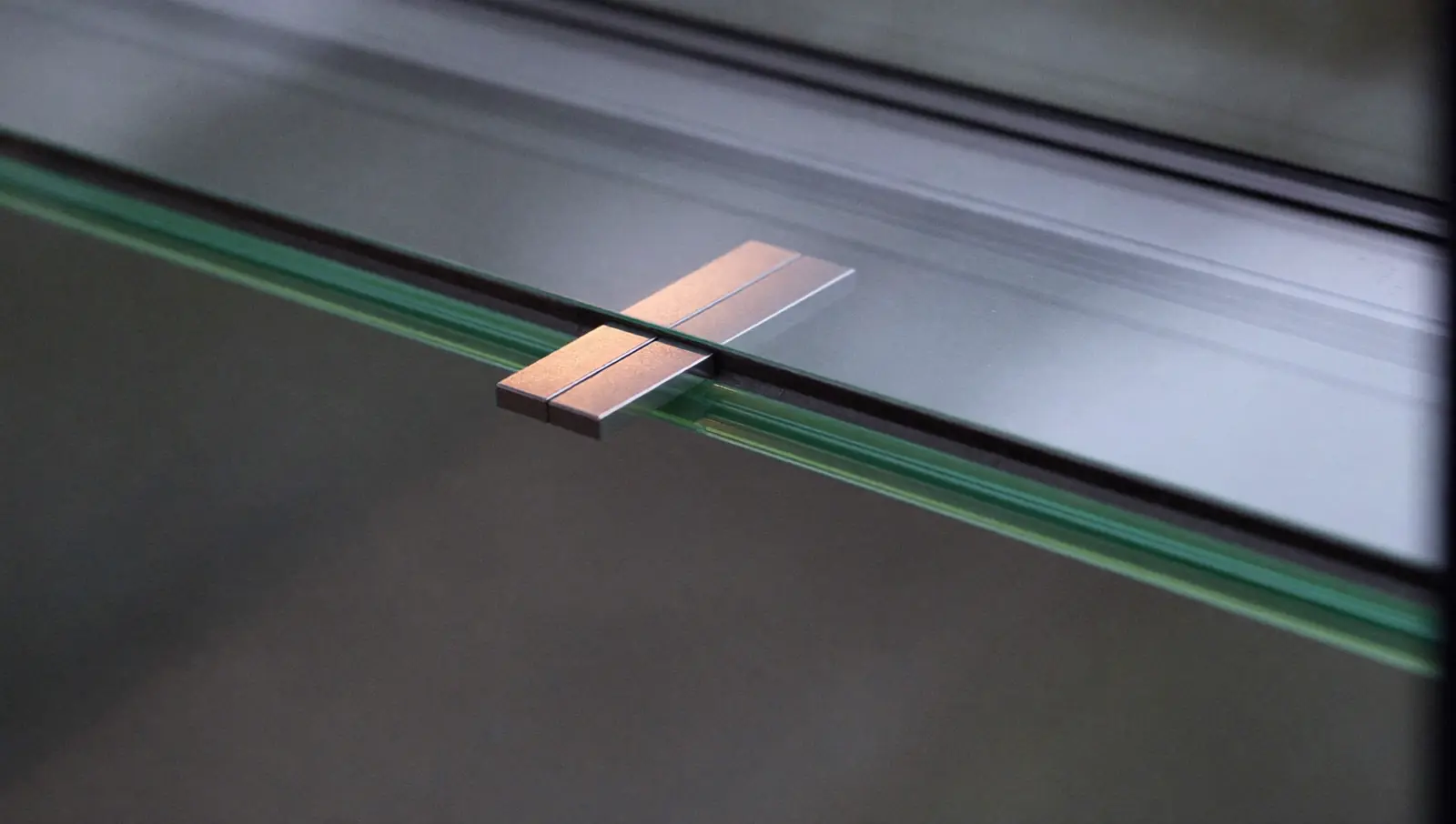
When people say “glazing” they usually mean the whole window, but the word really describes the glass and the way it is built into a sealed unit. Get the glazing right and the frame becomes almost a detail; get it wrong and even the best frame will feel cold, condense in winter and let street noise straight through. Understanding the three main types is the fastest way to specify a window that actually does what you need.
Double glazing: the default for most homes
Double glazing is two panes of glass separated by a sealed gap, usually filled with an inert gas such as argon. That trapped layer is a poor conductor of heat, so it slows the escape of warmth from the room far more effectively than a single pane. Modern units pair this with a Low-E coating and a warm-edge spacer to push the U-value — the measure of heat loss — down towards the level required by current building regulations. For the majority of UK homes, a well-specified double-glazed unit is the sensible default. Our full guide to how double glazing works covers U-values and what to ask an installer.
Know which glazing you want? Compare free, no-obligation quotes from vetted local installers.
Ask the glazing experts →Triple glazing: for the coldest, most exposed rooms
Triple glazing adds a third pane and a second sealed gap, lowering the U-value further still. It comes into its own on north-facing elevations, in exposed rural properties and in new-builds designed to a low-energy standard, where the extra pane meaningfully reduces heat loss and cold-glass draughts. It is heavier and costs more, so it is not automatically the right upgrade for every window. It is worth weighing the triple glazing benefits and cost against double before committing, and our guide to triple glazing explained sets out when the third pane pays for itself.
Secondary glazing: for period and listed homes
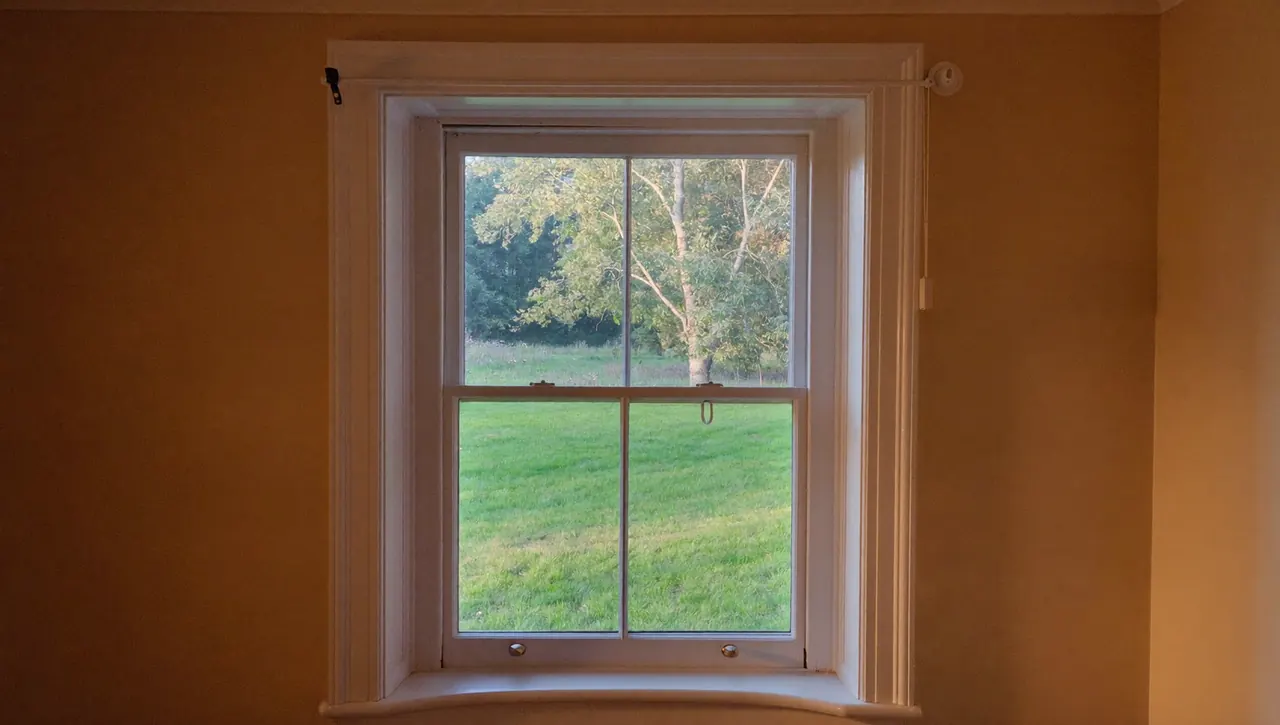
Secondary glazing is a slim independent pane fitted on the inside of an existing window, leaving the original frame untouched. Because it does not replace the primary window, it is often the only route for listed buildings and conservation areas, and it is genuinely excellent at cutting noise thanks to the wide air gap between the two layers. It will not match the thermal performance of a modern sealed unit, but for a Victorian sash you want to keep, it is frequently the most sympathetic answer. Read more in secondary glazing explained.
It is not just the type — it is the glass inside
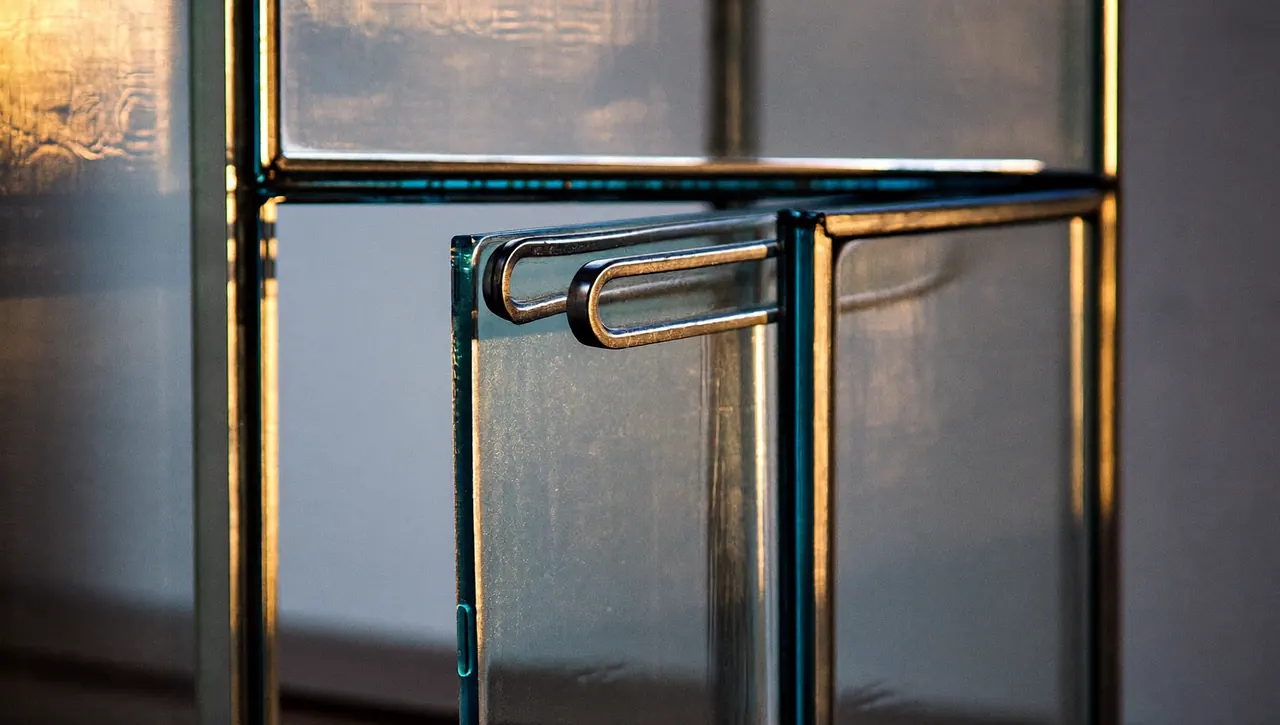
Two double-glazed windows can look identical and perform worlds apart, because most of the real difference lives inside the unit: the Low-E coating that reflects heat back into the room, the argon fill in the cavity, whether the glass is laminated or toughened, and the spacer bar that seals the edge. These choices decide warmth, safety, quiet and whether the unit condenses in a cold snap. The knowledge-base guides below explain each one, and if you are ready to shortlist installers it pays to know the common buyer mistakes to avoid before you commit.
How to use this guide
Start with the type that fits your home and budget, then use the glass-technology guides to specify the detail. If money is the deciding factor rather than the glazing itself, there are ways to fund windows and doors, subject to eligibility and a home survey. When you are ready, comparing a few local quotes side by side is the surest way to see how price, glass specification and guarantee stack up.
Get matched with accredited local installers and compare quotes with no obligation.
Get my quotes →