02 / double glazing
Double glazing explained
Double glazing is the default choice for most UK homes — and for good reason. Here is how a sealed unit actually keeps heat in, what a good U-value looks like, and the questions worth asking before you buy.
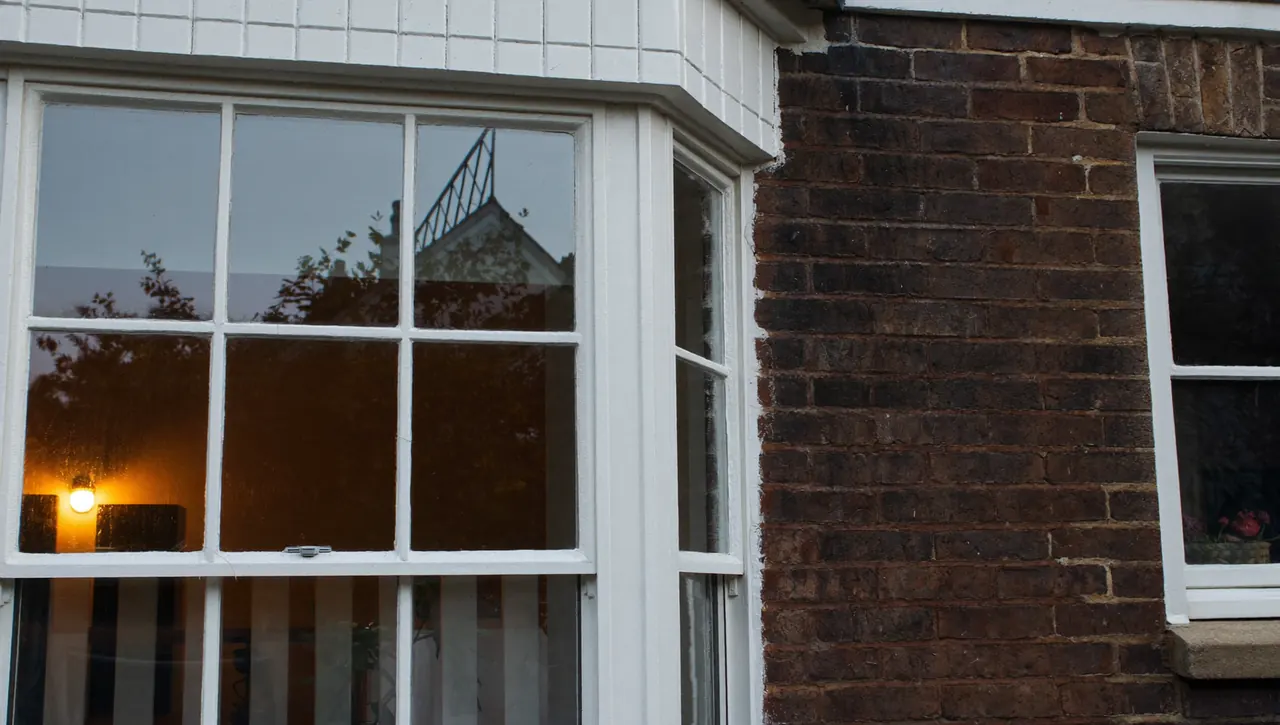
What double glazing actually is
A double-glazed unit is two panes of glass held a fixed distance apart and sealed together at the edge, with the cavity between them filled with dry air or, more commonly today, an inert gas such as argon. That sealed cavity is the whole point: still gas is a poor conductor of heat, so it dramatically slows the rate at which warmth escapes through the window compared with a single pane. The panes are bonded to a spacer bar around the perimeter and sealed to keep moisture out, which is why a healthy unit stays clear inside even on a frosty morning.
Why it keeps a home warmer and quieter
Heat moves through a window by conduction, convection and radiation. The trapped gas layer tackles conduction and convection; a microscopically thin Low-E coating on one of the internal glass faces tackles radiation by reflecting warmth back into the room. Together they cut heat loss substantially versus single glazing. The two panes and the cavity also dampen airborne sound, so a double-glazed home is usually noticeably quieter as well — though for serious traffic noise you may want acoustic glass tuned for the job.
Ready to price up new double glazing? Compare free, no-obligation quotes from vetted local installers.
Ask the glazing experts →Understanding U-values
The U-value measures how much heat passes through the window: the lower the number, the better the insulation. A modern double-glazed window typically achieves a whole-window U-value in the region of 1.2 to 1.6 W/m²K, and current building regulations set a maximum for replacement windows that a reputable installer will meet as standard. When you compare quotes, check whether the figure quoted is for the glass alone (the centre-pane U-value) or the whole window including the frame, because the whole-window figure is the one that governs real-world performance and compliance. You may also see the Window Energy Rating band (A++ to E), which bundles heat loss, solar gain and air leakage into a single label.
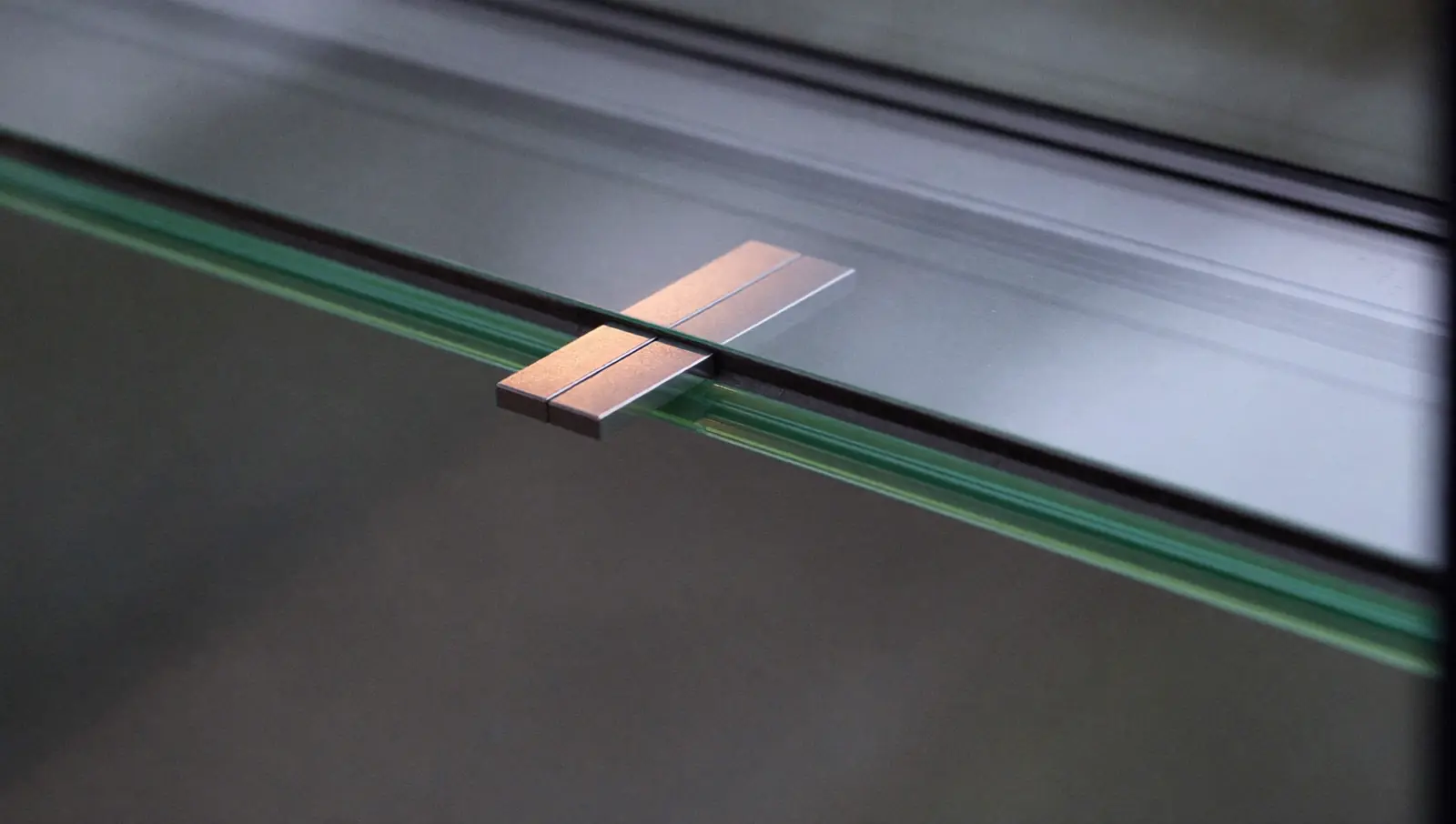
What decides the quality of a unit
Two double-glazed windows can carry very different price tags because so much depends on the detail: the presence and quality of the Low-E coating, whether the cavity is filled with argon rather than air, and whether the edge uses a warm-edge spacer bar instead of a conductive aluminium one. The frame material — uPVC, timber or aluminium — and the quality of the seals matter too. When you gather quotes, it is worth reading up on the common mistakes buyers make before they commit so you can compare like for like.
Questions to ask your installer
- Is the quoted U-value for the whole window or centre-pane only?
- Is the cavity argon-filled, and what warm-edge spacer is used?
- What is the guarantee on the sealed units against misting, and is it insurance-backed?
- Is the company FENSA or CERTASS registered so the work is self-certified?
Good double glazing is a long-term purchase, so it pays to specify it carefully. If the up-front cost is the sticking point rather than the product, there are options for spreading the cost of home windows, subject to eligibility and a survey.
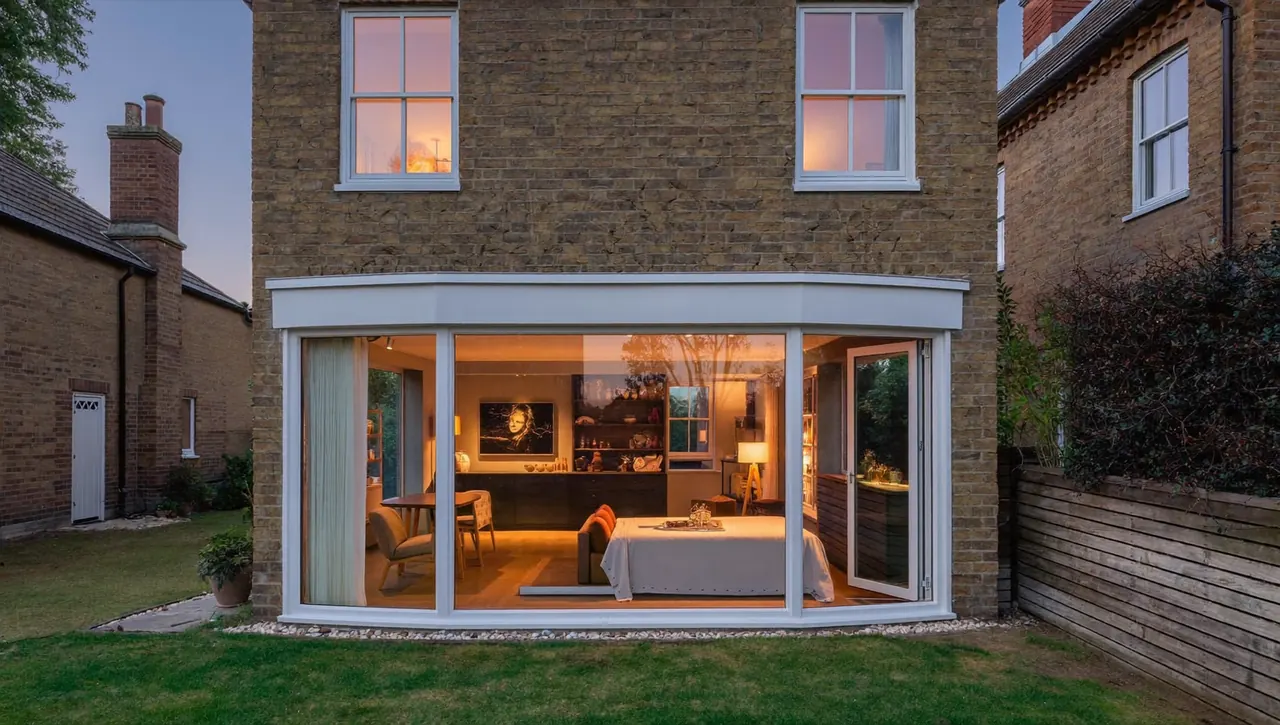
Get matched with accredited local installers and compare double glazing quotes with no obligation.
Get my quotes →