04 / secondary glazing
Secondary glazing explained
A slim independent pane fitted inside your existing window — secondary glazing is often the only sympathetic answer for period and listed homes, and it is quietly brilliant at cutting noise.
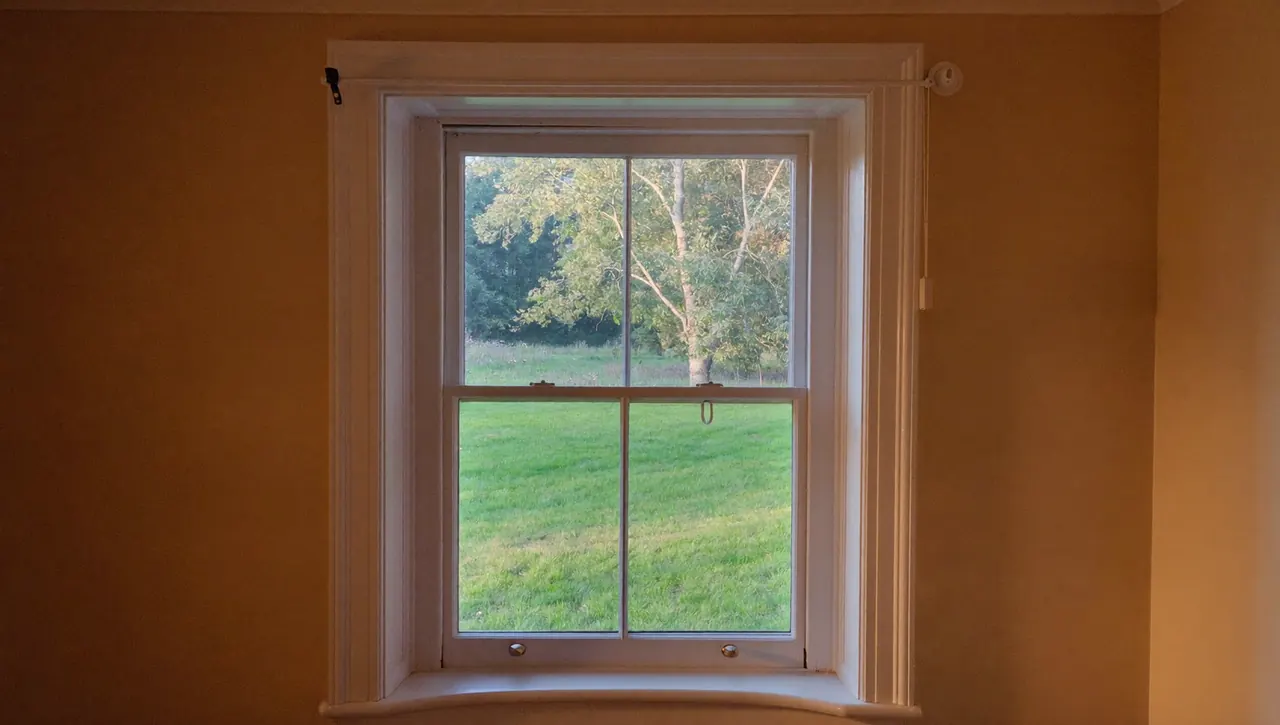
What secondary glazing is
Secondary glazing is a discreet second glazing system installed on the room side of an existing window, leaving the original frame and glass completely in place. Unlike a sealed double-glazed unit, the two layers are independent: your primary window stays exactly as it is, and a separate slim-framed pane — usually in aluminium — is fitted just inside it. The panels typically slide, lift out or open on hinges so you can still clean, open and maintain the original window behind. Because nothing is bonded together, there is no sealed cavity to fail, and the system can be removed entirely if needed.
Why it suits period and listed homes
For a Victorian sash, a Georgian casement or any window in a conservation area, replacing the original with a modern unit is often undesirable or simply not permitted. Secondary glazing sidesteps that problem: because it is reversible and hidden behind the existing window, it is frequently acceptable where replacement is not, and it preserves the character of the building. Slim modern frames can be colour-matched and sit close to the reveal, so from the street the house looks unchanged. It is the type of glazing that lets you keep original joinery you would never want to lose — see how it sits alongside the alternatives in our guide to the types of glazing.
Considering secondary glazing? Compare free, no-obligation quotes from vetted local installers.
Ask the glazing experts →Where it really shines: noise
Secondary glazing is exceptionally good at reducing noise, and often outperforms standard double glazing for this specific job. The reason is the wide air gap between the original window and the new inner pane — commonly 100mm or more, far larger than the narrow cavity in a sealed unit. A large gap dampens low-frequency sound such as traffic rumble particularly well, and using thicker or laminated glass in the secondary panel improves it further. For homes on a busy road, it can make a dramatic difference; if noise is your main concern, it is worth reading our guide to acoustic and noise-reduction glass alongside this one.
Thermal performance and draughts
Adding a secondary pane creates an extra buffer of still air, which noticeably reduces heat loss and cold draughts from a single-glazed original window. It will not match the U-value of a modern sealed double-glazed unit, but for a home where replacement is off the table, it is a genuine and cost-effective improvement in comfort. It also helps control condensation on the original glass when installed and ventilated correctly. The Energy Saving Trust recognises secondary glazing as a worthwhile measure for reducing heat loss where full replacement is not an option.
What to consider before you buy
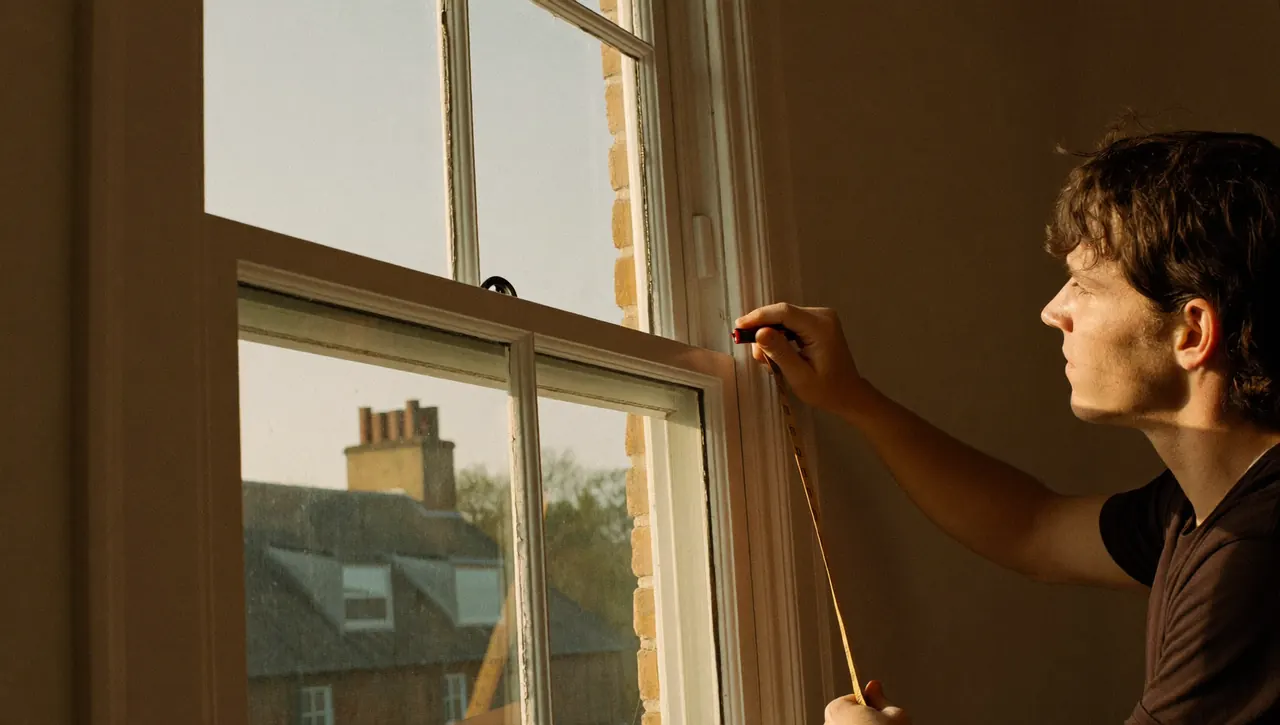
Think about how each window is used day to day — you will want panels that open easily for ventilation and cleaning — and check sightlines so the new frames sit sympathetically within the reveal. Glass choice matters: standard, laminated or acoustic glass each change the result. A good installer will survey the reveal and advise on the panel type that fits. If cost is a factor, there are options for spreading the cost of home windows, subject to eligibility and a survey, and it is always worth knowing the common mistakes to avoid before you commit.
Get matched with accredited local installers and compare secondary glazing quotes with no obligation.
Get my quotes →