06 / the glass inside
Argon and gas-filled units explained
Fill the cavity of a double-glazed unit with argon instead of air and you lower its heat loss for a few pounds per pane. Here is why an inert gas works, and what to check when you compare units.
Why the gas in the gap matters
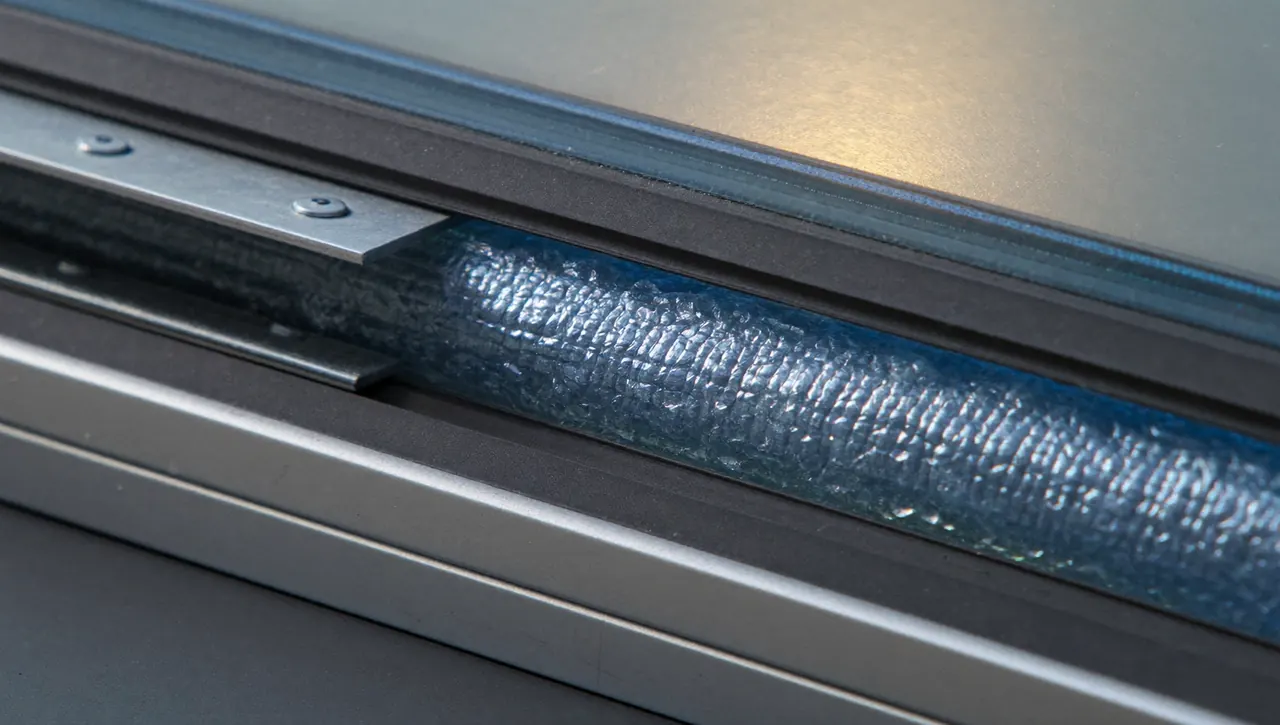
The sealed cavity between the two panes of a double-glazed unit is where most of the insulation happens. Heat crosses that gap by conduction through the gas and by convection as the gas circulates. Argon is denser than air and a poorer conductor of heat, and because it is heavier it moves less readily inside the cavity, suppressing those convection currents. Swap air for argon and you slow both routes at once, lowering the unit’s U-value without changing its appearance at all. It is one of the cheapest performance upgrades in glazing, which is why it is now standard in quality units.
Argon, krypton and xenon
Argon is the workhorse gas fill because it is inexpensive, abundant — it makes up nearly one per cent of the atmosphere — and delivers most of the available benefit. Krypton performs even better and allows a narrower cavity, which is useful in slim units and some triple-glazed designs where space between panes is tight, but it costs considerably more. Xenon is better still and rarely used outside specialist applications because of its price. For the overwhelming majority of UK homes, argon offers the best balance of cost and performance, and you would need a very specific reason to pay for krypton.
Want argon-filled units done properly? Compare free, no-obligation quotes from vetted local installers.
Ask the glazing experts →How much difference does argon make?
On its own, an argon fill produces a meaningful but modest improvement in the centre-pane U-value compared with an air-filled cavity. Its real value shows when it works alongside a Low-E coating and a warm-edge spacer: the combination is what achieves the low whole-window U-values required today. Think of the gas fill as one of three layers of defence rather than a single silver bullet — each is inexpensive, and together they transform how a window performs.
Does the gas leak out over time?
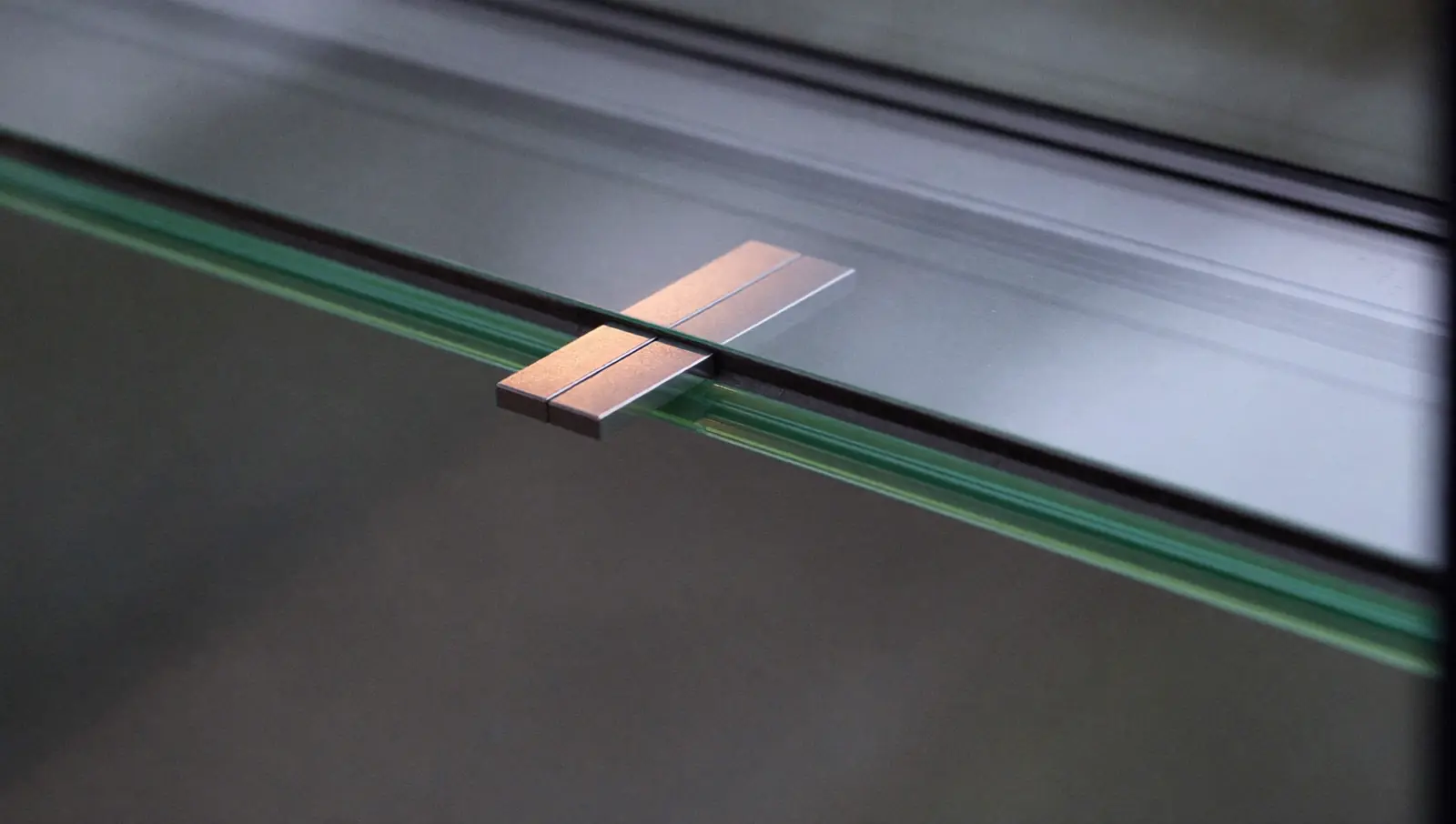
A well-made sealed unit holds its gas fill for many years, but no seal is perfect: industry guidance assumes a slow leakage rate, and units are typically filled to a high concentration so they remain effective well into their service life. Gas retention depends entirely on the quality of the edge seal, which is another reason the manufacturing standard of the unit matters more than any single headline figure. If a sealed unit fails and mists internally, that is a sign the seal has gone — and a good insurance-backed guarantee should cover replacement.
What to ask when you compare quotes
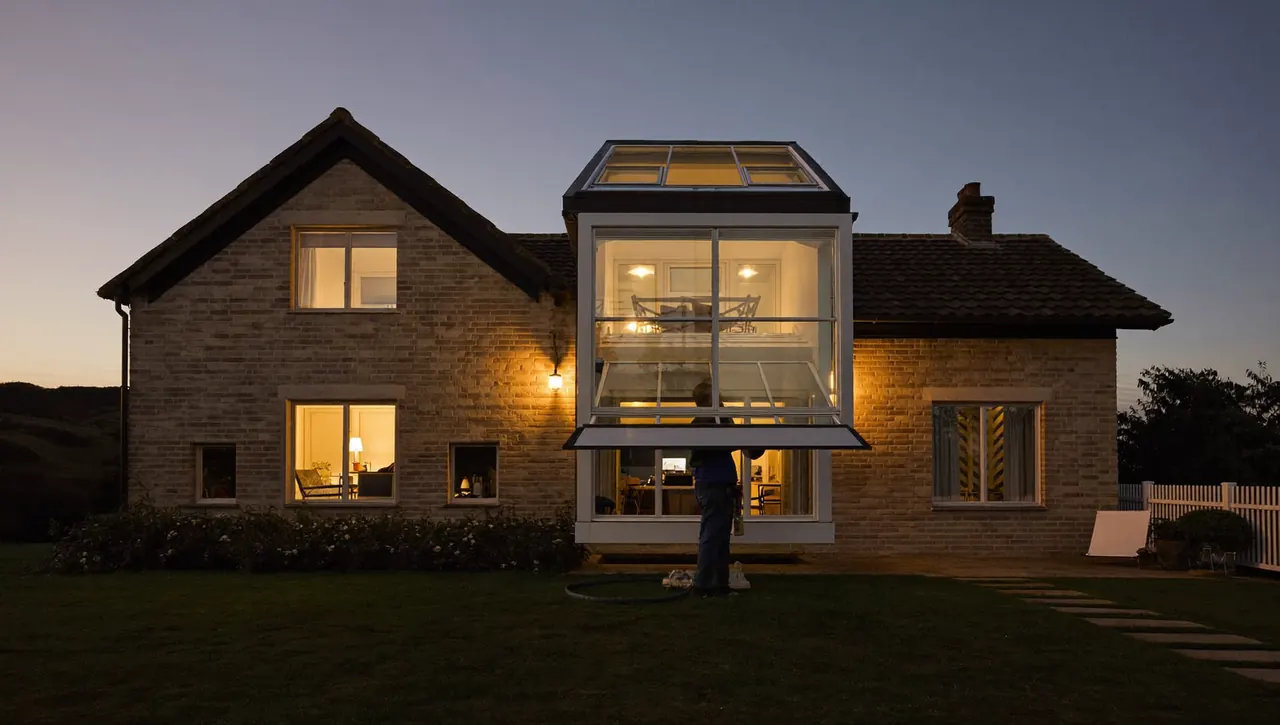
Confirm that the units are argon-filled as standard, ask what whole-window U-value they achieve, and check the length and nature of the guarantee against sealed-unit failure — ideally insurance-backed so it survives if the installer does not. Because a gas fill is invisible, it is one of the specifications most easily dropped to shave a price, so it pays to know the common mistakes buyers make before they commit. If cost is the sticking point, there are options for spreading the cost of home windows, subject to eligibility and a survey.
Get matched with accredited local installers and compare quotes on the full specification.
Get my quotes →