07 / the glass inside
Laminated and toughened glass explained
Both are “safety glass”, but they solve different problems and behave very differently when broken. Here is how laminated and toughened glass work — and where UK building regulations insist on them.
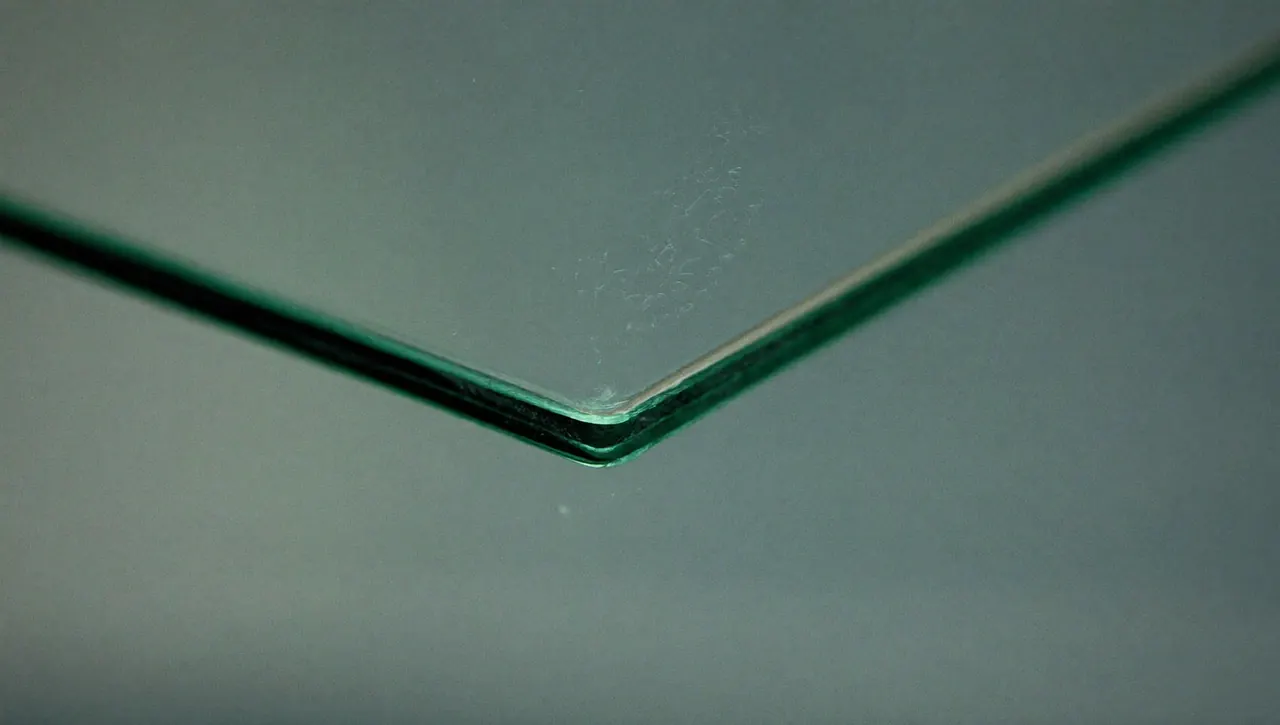
Toughened glass: strong, and safe when it breaks
Toughened, or tempered, glass is made by heating ordinary glass and cooling it rapidly. This locks the surface into compression and the core into tension, making the finished pane several times stronger than standard glass of the same thickness and far more resistant to thermal stress. Its defining safety feature is how it fails: when it does break, it shatters into small, relatively blunt granules rather than long jagged shards, greatly reducing the risk of serious injury. That is why toughened glass is the common choice for low-level glazing and doors where impact is a risk.
Laminated glass: it holds together
Laminated glass is two or more panes bonded around a tough, clear plastic interlayer, usually PVB. When it is struck it may crack, but the interlayer holds the fragments in place so the pane stays largely intact and the opening remains covered. This gives laminated glass two big advantages: security, because an intruder cannot simply knock out the glass and climb through, and safety, because there is no shower of fragments. The same interlayer also blocks most UV and forms the basis of acoustic glass, which uses a special sound-damping version.
Need safety or security glass specified correctly? Compare free, no-obligation quotes from vetted local installers.
Ask the glazing experts →Where building regulations require safety glass
In England and Wales, Approved Document K identifies “critical locations” where glazing must either be safety glass, be permanently protected, or be small enough and thick enough to be considered low risk. In practice this means safety glass is required in and beside doors up to a set height, and in windows below 800mm from floor level. A reputable installer will specify compliant glass in these positions automatically as part of a double-glazed unit, and the panes should carry a permanent safety mark showing the standard they meet. If you are unsure whether an existing window complies, an installer can advise during survey.

Which should you choose?
The two are not interchangeable, and the right answer depends on the job. Toughened glass is ideal where impact resistance and safe breakage matter, such as doors and low windows. Laminated glass is the better choice where security and staying intact are the priority — ground-floor windows, patio doors, overhead glazing and anywhere you want to deter a break-in. Many homes end up with a sensible mix, and it is common to laminate the accessible ground floor while toughening elsewhere. Your installer should recommend the right glass for each opening rather than a blanket specification.
Getting it right in your quotes
When you compare quotes, check where each type of glass is specified and that critical locations are covered — this is a compliance issue, not an upsell. Ask to see the safety marking standard and confirm laminated glass is used where security matters most. Knowing the common buyer mistakes to avoid before you commit helps you tell a thorough specification from a corner-cutting one. If the up-front cost is the obstacle, there are ways to fund windows and doors, subject to eligibility and a home survey.
Get matched with accredited local installers and compare quotes on the glass specification.
Get my quotes →