09 / the glass inside
Spacer bars and warm-edge technology explained
The spacer bar is the least glamorous part of a sealed unit and one of the most important. Get it right and the edges of your glass stay warmer, drier and clearer for longer.
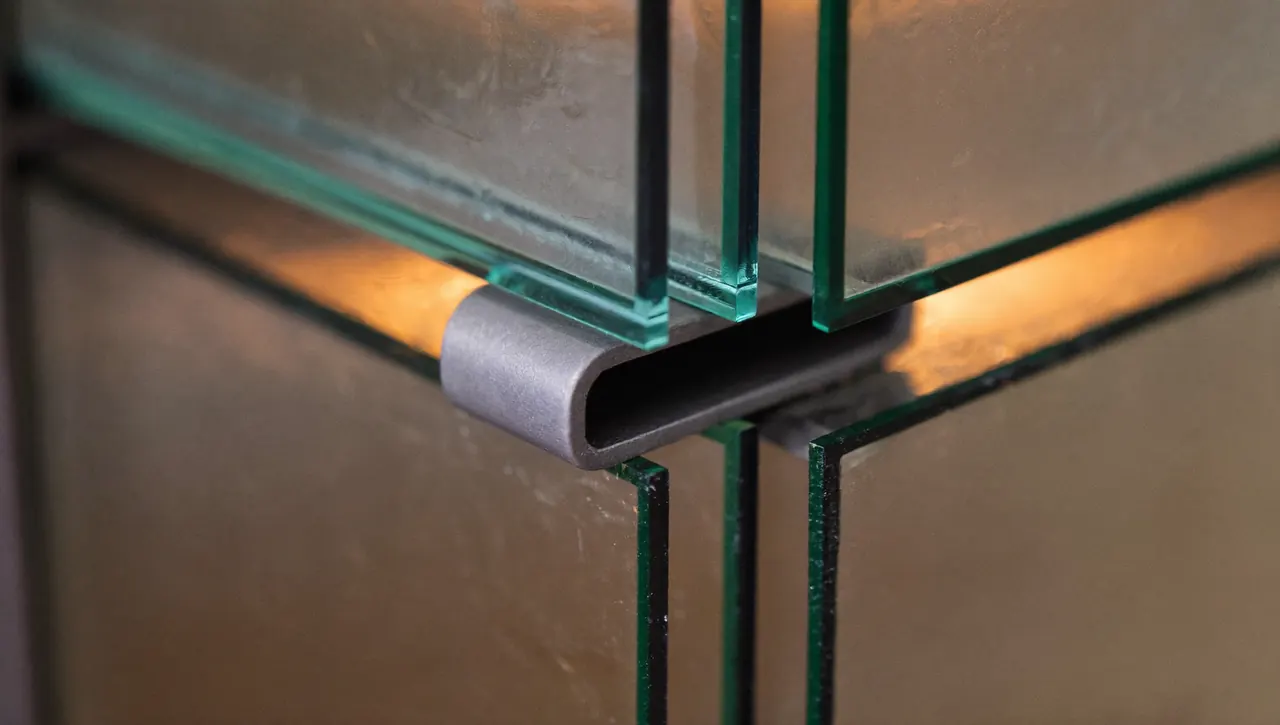
What the spacer bar does
The spacer bar is the frame that runs around the perimeter of a double-glazed unit, holding the two panes a precise distance apart and sealing the cavity. It has two jobs: to maintain the exact gap that makes the gas fill work, and to carry the desiccant that keeps the sealed cavity dry so it does not mist internally. Because it sits right at the junction of the warm inside and the cold outside, the material it is made from has a surprisingly large effect on how the whole window performs at its edges.
Why aluminium spacers were a weak point
For years, spacer bars were made of aluminium. Aluminium is an excellent conductor of heat, which is exactly what you do not want at the edge of an insulating unit: it forms a thermal bridge, letting warmth escape and leaving the perimeter of the glass noticeably colder than the centre. That cold edge is where condensation forms first, and over time it is where a unit is most likely to fail. A window could have a fine centre-pane U-value and still feel cold and condense around the frame because of a conductive metal spacer.
Want units built with warm-edge spacers? Compare free, no-obligation quotes from vetted local installers.
Ask the glazing experts →How warm-edge technology fixes it
Warm-edge spacers replace the conductive aluminium with low-conductivity materials — stainless steel, tough thermoplastics or composite designs — that slow the flow of heat around the edge of the unit. The perimeter of the glass stays warmer, which improves the whole-window U-value, reduces the risk of edge condensation and helps the sealed unit last longer. The effect is quiet but real: a warmer edge means fewer cold spots, less misting on frosty mornings and a more comfortable room. Warm-edge is now the standard specification in any quality unit, and it is one of the details worth confirming on a quote.
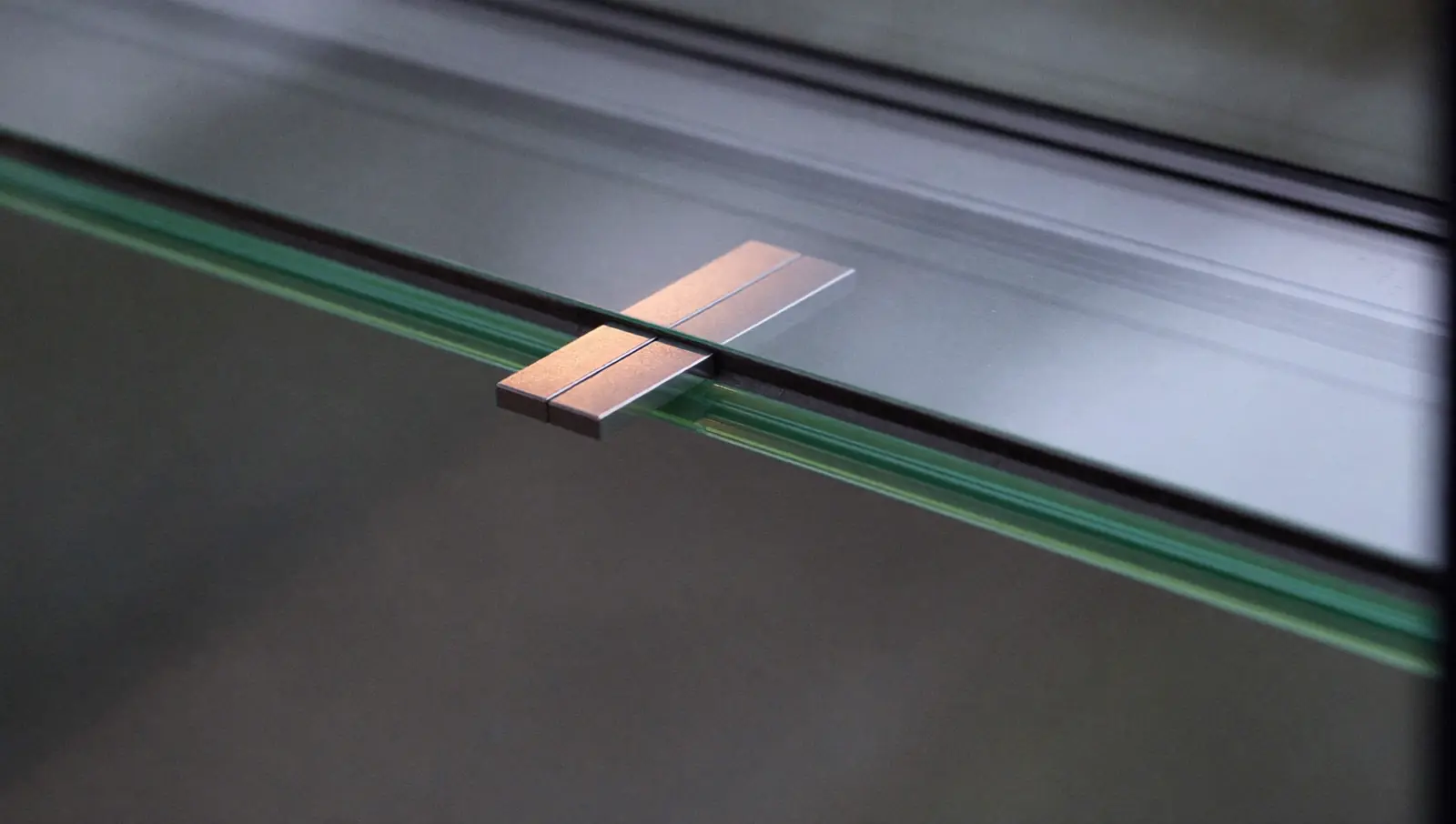
The edge and condensation
Condensation on the inside of a window is usually a sign of a cold surface meeting humid room air. A warm-edge spacer raises the temperature of the glass edge, pushing it above the point where moisture condenses in normal conditions, so you see less misting at the perimeter. It is worth distinguishing this from condensation on the outside face of the glass on a clear morning, which is actually a sign of a very efficient unit losing almost no heat to the outer pane — a good thing, if an occasionally surprising one.
Why it matters on your quote
Because the spacer is hidden inside the frame, it is easy to overlook — and easy for a budget unit to fit a cheaper aluminium one. When you compare quotes, ask specifically whether the units use a warm-edge spacer and how that feeds into the whole-window U-value. It is one of the specifications that separates a genuinely efficient unit from one built to a price, which is why it features in the common buyer mistakes to avoid before you commit. If funding the work is the question, there are ways to fund windows and doors, subject to eligibility and a home survey.
Get matched with accredited local installers and compare quotes down to the spacer bar.
Get my quotes →